



 The Hoboken Girl Team

The next Hoboken City Council lineup will be decided in a runoff election this December. After the results from Election Day 2025 did not see specific candidates receiving majority of the total votes, the top six candidates — Steve Firestone, Pete Keeling, Caitlin Layson, Nicole Magana, Joe Quintero, and Liz Urtecho — will be voted on again by residents on December 2nd, 2025. Here’s more about each runoff candidate from The Hoboken Girl’s previous conversation with all of Hoboken’s City Council contenders.
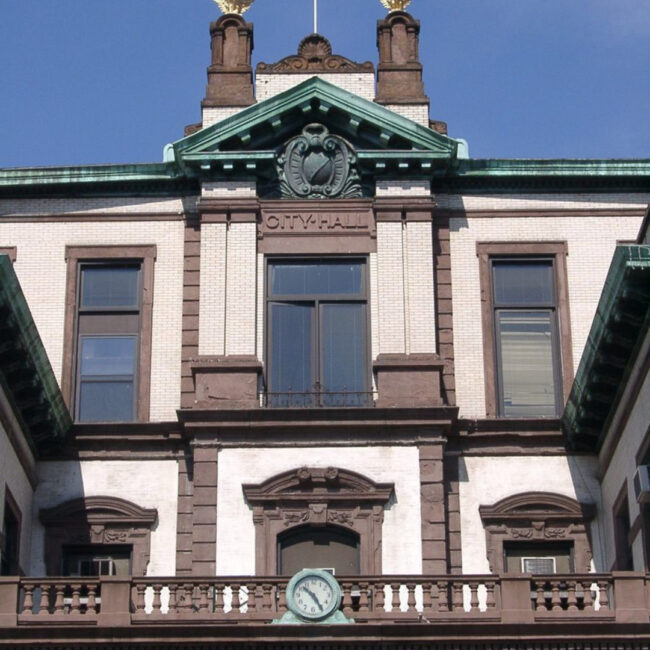
Steve Firestone

The Hoboken Girl: Council must often work with a Mayor they may disagree with. If you don’t align with the Mayor on a major issue, how will you engage, negotiate, or push back constructively? Do you have examples of how you have done so in the past at work or in political settings, if applicable?
Steve Firestone: As Zoning Board Chairman in Hoboken, I have led the push to have civility and transparency as watchwords for Commissioners. You can disagree with someone else without being disagreeable and I think all residents and owners that come before the Zoning Board now are treated with respect. My approach to working with the next Mayor of Hoboken will be to try to find areas of common ground to ensure that we can make progress happen for Hoboken residents. There are some in Hoboken that engage in performative politics, hurling insults at others to increase their own status or to help achieve a particular political objective. My primary responsibility to Hoboken residents is to be a public servant first and foremost. That means collaborating with others both publicly and privately to find solutions to thorny issues. It involves listening more than speaking when needed and acting to uphold the civility of our engagement at all times.
HG: Hudson County politics has long faced concerns about pay-to-play and insider influence. What specific reforms will you champion (e.g. contracting rules, campaign finance limits, independent oversight, stronger OPRA compliance)?


SF: Hoboken needs both its elected officials and City Hall to act transparently and with integrity. As a City Council At-Large member, I would advocate for more severe penalties for candidates who violate both state and local election laws. I would also seek to move Hoboken away from using the redevelopment process as a substitute for the lack of City Council engagement and adoption of a Master Plan. The redevelopment process lacks transparency and winds up increasing the cost for new development in Hoboken. By holding open public meetings whenever redevelopment is necessary and regularly adopting a Master Plan, the City Council can ensure that voices throughout the community are heard and minimize the incentives for politicians to use the redevelopment process to get campaign contributions.
HG: How will you balance competing priorities for the city while working without increasing costs for residents?

SF: Hoboken has become a very expensive place to call home as all of us have felt the results of the post-pandemic increase in inflation. While inflation has come down in recent years, the cumulative effect of it has taken a toll on many Hoboken residents. Hoboken also has much better amenities today than when I first moved here in 1997, making it a very desirable place for people at all stages of life. As a finance professor, I plan to take a hard look at every revenue and expense line item in the budget to see how we can do better. Hoboken has the lowest tax rate in Hudson County, so there is a track record of fiscal responsibility. However, we need more City Council members that take responsibility for managing the budget in a fiscally prudent way and can distinguish between line items that are true needs versus things that are just nice to have. This will be my North Star in the budgeting process and will help to keep costs down for all residents.
HG: Many residents complain about the high cost of housing in Hoboken, some even claim they have been priced out. What is your opinion and what methods, if any, would you support to address the situation?
SF: On Hoboken’s Zoning Board of Adjustment, I see every day the costs of the affordable housing crisis in Hoboken. Residents come before the ZBA for variance relief because they have growing families and are faced with the challenge of either staying in a small space with a bigger family or having to move out of Hoboken for more room. Council members Jabbour, Quintero and Cohen have been leaders in strengthening some of Hoboken’s rent control protections so that residents are not faced with unconscionable rent increases every year. Rent control can be an effective short term solution for ensuring that residents are not priced out of Hoboken, but it does not address the lack of supply of affordable housing options. City Council has taken some positive steps towards providing workforce housing with garage B, Adams Street, and other projects around Hoboken, but not everyone on City Council was in favor of these projects. . Hoboken also has an affordable housing policy that calls for 10% affordable units in new construction. We should look at whether that percentage allows us to really achieve our affordable housing objectives in Hoboken and whether we might be willing to trade off higher density in some areas for more affordable units. There are some transit-oriented development strategies that I have seen used to great effect in other parts of the county that may have applicability to Hoboken. We did not get to an affordable housing crisis overnight and we will not get out of it overnight either. However, by taking short term steps to strengthen rent control protections and longer term steps to bring affordable housing supply online, we will ensure that Hoboken can grow in a sustainable way.
HG: Hoboken’s flooding issues are well-known and the City has made efforts to mitigate the impact through the flood gates, resiliency parks, and other projects. What else would you do to address this problem?
SF: Hoboken’s unique geographic characteristics make it hard to ever completely eliminate flooding. However, I think many residents would agree that Hoboken floods today a lot less (or at least a lot less severely) than it has in the past. I have played a very small part in that as a member of Hoboken’s Zoning Board. We frequently look to developments to install green roofs and provide water retention facilities on site to ensure that stormwater runoff can be slowly released into the pipes, mitigating flooding from storm events. On a macro level, Mayor Bhalla and City Council Members have made some real progress in the effort to mitigate flooding by constructing Northwest Resiliency Park and building environmental sustainability to the infrastructure of the city through the rain gardens on Washington Street. Rebuild by Design has been a huge success in this regard. The additional flood pumps have also played a crucial role in our ability to mitigate the impact of rain events. As a City Council At Large Member, I hope to continue this important work to ensure that we make progress each and every year towards becoming a City where our desire for environmental sustainability can meet the moment of flood mitigation.
HG: Residents complain about traffic congestion and general disruption as a result of constant construction. How would you respond?
SF: Ever since I bought my first apartment in Hoboken in 1997 on Bloomfield Street, Hoboken has always been a place where residents try to improve their homes. So it is not unusual that there will always be some level of construction activity. However, what we have seen more of lately is a result of the systematic effort that Hoboken has engaged in to replace aging water infrastructure through Rebuild by Design and, to a lesser extent, more housing construction near critical choke points in the city’s transportation system. Rebuild by Design has been a huge leap forward for Hoboken in making the city more environmentally resilient. We need better coordination between different actors like PSE&G, NJ DEP, and City Hall to ensure that we minimize the impact of these projects on Hoboken residents. We also need to do more to ensure that developers pay to upgrade infrastructure when their developments will lead to higher and more intensive use in the form of additional residents.
HG: Where do you stand on the growth of chain retailers? What tools, if any, would you consider to support local businesses and maintain Hoboken’s small-town feel?
SF: What I see when I walk down Washington Street is too many vacant storefronts. This is a major concern to me and I would like to see it become easier to start new retail businesses in Hoboken. Hoboken will always attract retail businesses that appeal to the character of the city’s residents. It is in our DNA and we love supporting these small businesses to help them grow and become successful. There is nothing inherently wrong with having some chain retailers as part of Hoboken’s business community. I see the likelihood of Hoboken turning into an outdoor version of Short Hills Mall as close to zero. The solution is to make sure we have enough programs in place for small businesses that speak more directly to Hoboken’s unique character to begin and thrive.
HG: Many residents have expressed hygienic concerns with the amount of dog feces on Hoboken’s sidewalks; would you address this problem, and if so, how? And how do you feel the City of Hoboken has handled it currently?
SF: Hoboken has always been a dog-friendly place. Residents love their pups and take them all over town for walks, including to Hoboken’s many excellent dog parks. It is unfortunate that some owners do not show courtesy and respect for others by picking up after their dogs. Hoboken already has some stiff penalties for owners that do not comply with the law, but it is rarely enforced because it is so hard to catch people in the act. There are a number of websites out there that have tried public shaming by posting videos of security cameras. This obviously is not the best way to address the problem, but it likely does have the effect of making more owners aware that their violations are noticed by the broader community. Hoboken also needs to direct trash collectors on Washington Street to also address dog litter when they are doing regular trash pickup. We should also require business owners to hose down the sidewalks in front of their properties regularly. This will not address every instance of dog litter, but it will ensure that high pedestrian-traffic areas will be regularly cleaned. At the end of the day, we also need to do more to educate dog owners on their responsibilities, which might include more signage in populated areas and accessible dog waste bag stations.
HG: Many residents complain about litter and other debris on sidewalks, especially on Washington Street. How would you address this as a Council member?
SF: Washington Street is one of the best Main Streets in the United States. This jewel only shines brightly though when it is clean and tidy. It is the responsibility of every owner in Hoboken to take care of the sidewalk in front of their property. Many residents do this regularly, showing how much care they place in being a good community steward. We already have regular trash collection and street sweeping on Washington Street, but more can be done. We should look at increasing the frequency of trash pickup and strengthen the penalties for businesses that litter. In addition, there are many poorly functioning trash cans that need repair. We also need to better educate residents and non-residents who frequent Washington Street on the downside of leaving litter and debris on the sidewalks when they are not supposed to.
HG: While Hoboken’s public safety director has publicly stated that crime is down, many residents report feeling unsafe and the City Council has moved to expand the police force. Do you think Hoboken has done enough to make residents feel safe? What do you suggest?
SF: Crime in Hoboken is down in Hoboken and we owe our public safety officials a debt of gratitude for the work that they do every day. Just because the statistics say that crime is down, it does not mean that people always feel safe. We see a lot of near-misses in Hoboken, with e-bike riders sometimes blowing through red lights and going the wrong way on a one-way street. As a resident of Washington Street, I have experienced this first hand and understand how a near miss might look like we are allowing a culture of lawlessness to take hold. We need to make it easier for people to report these near misses so that our public safety officials can allocate community policing resources more effectively. Hoboken created a test-and-vest ordinance which attempted to get at the issue with e-bike riders, but many of these folks are transient. Who is riding may change month to month. We need to look at limiting the total number of e-bike delivery riders and effectively update our test-and-vest ordinance to make it more enforceable. Another element of whether residents feel safe is the situation with the unhoused population in Hoboken. People see lines around shelters and assume that this contributes to crime or their feelings about public safety. The unhoused population is a situation that every city deals with, not just Hoboken. We need to establish pathways for these individuals to get the help that they need, whether it be shelter, food or satisfying mental health needs. The Hoboken Shelter has done amazing work in the community in this area with few resources. We need to better coordinate all the stakeholders, including the hospital and other organizations that provide social services to ensure that this important population gets lifted up.
HG: Many residents expressed that the city lacks accommodating infrastructure for the elderly and disabled (i.e. care facilities, benches, ramps, and handicapped parking). What, if any, initiatives would you support as a City Councilperson to make the city more senior and disability-friendly
SF: Hoboken is one of the most walkable cities I have ever seen but not all residents have the ability to walk a half mile to get to ShopRite or Kings. Benches and sheltered resting spots are a key element for seniors that are active walkers. We also have The Hop bus service that runs different routes through Hoboken that many seniors take. Council Quintero has been advocating for re-orienting the Hop service such that routes are more east-west and north-south and run with greater frequency. This is an important part of the solution. I would also like to see a public-private partnership between Hop service and local buildings that offer shuttle bus services that would allow seniors to jump on at different locations. These shuttle buses often run during peak congestion hours but are not in use during off hours. During off hours, there might be the opportunity to have some of these shuttle buses redeployed to assist senior pickups as seniors do not usually have to travel during peak congestion hours and might strongly prefer not to. We also need to work with NJ Transit to establish the Madison/Monroe route and locate a new light rail stop at 15th Street. Hoboken needs greater ability for its residents to get around the city and taking steps like these will make it easier for Hoboken’s seniors to age in place.
HG: What is your experience serving the residents of your Ward + advocating for your positions before becoming a candidate?
SF: I have served Hoboken and its residents for six years on the Zoning Board of Adjustment. Throughout my service, I have engaged with residents frequently and have tried to bring a service orientation to the important work of the Board. I was also given the opportunity to take part in the Transportation Committee that was formed after the first election of Mayor Bhalla that advocated for safer streets and better pedestrian and bicycle access. I was also an early advocate for acquisition of the Union Dry Dock property, allowing Hoboken to better connect its amazing waterfront and provide both passive and active recreation opportunities for Hoboken residents.
HG: Who is another local government official you respect + admire?
SF: I have a great deal of respect and admiration for Council Member Phil Cohen. Phil and I served together on Hoboken’s Zoning Board of Adjustment and I appreciated how he brought his intelligence and excellent collaboration skills to bear. We did not agree on every application, but I always respected the thought he put into it and the dedication he had to making Hoboken a better place. Phil is able to have respectful disagreements and always maintains the civility needed to work with the other person to find common ground on other issues. He embodies everything we look for in a public servant.
HG: What is a project or a problem that you are specifically looking forward to working on if elected?
SF: While Hoboken maintains a strong credit rating, it has had a history of managing its finances on an ad hoc basis. Budgets are not usually presented until well into the fiscal year, making it almost impossible for City Council Members to know the real impact of their votes on contracts and other important budget line items. City Council should demand that the Mayor present their budget draft for the upcoming year no later than December 31st each year and it should be the first thing on the Council’s agenda to work on in January. The State also needs to be more collaborative in this process by providing more timely guidance. But process improvements are only half of the story. Hoboken elected officials continue to spend down the budget surplus because they have not addressed the real problem of revenues and expenses not adding up. As a Professor of finance at Drew University, I know the ins and outs of financial statements and am prepared to make tough calls where necessary to ensure that Hoboken is operating in a financially sustainable way for the next generation.
HG: Any other final notes/thoughts for HG readers about your candidacy, share here:
SF: When I returned to Hoboken in 2016, I joined a local group called the Hoboken Harriers. I had never run more than 5 miles at once at the time. Through this group I was able to make lifelong friends and have the courage to start running greater distances, eventually running the TCS NYC Marathon twice. I never thought when I started running around Hoboken that I would be running for office one day instead of running the waterfront. However, Hoboken is truly a special place that allows all of us to grow into the best versions of ourselves. I would like to keep that momentum going as a City Council Member that consistently listens to others and acts in the best interest of residents.
Read More: Hoboken Mayoral Runoff Election 2025: Meet the Candidates
Pete Keeling
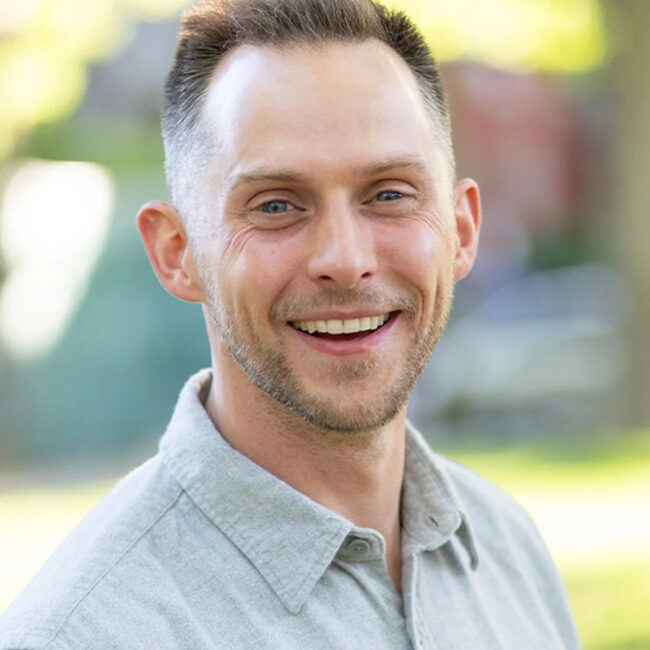
The Hoboken Girl: Council must often work with a Mayor they may disagree with. If you don’t align with the Mayor on a major issue, how will you engage, negotiate, or push back constructively? Do you have examples of how you have done so in the past at work or in political settings, if applicable?
Pete Keeling: As a small business owner, I have learned that collaboration does not mean agreeing on everything. If I do not align with the Mayor on a major issue, my first step would be to listen and understand their reasoning. Then I would clearly explain my position and why I believe it benefits Hoboken residents. What I will not do is get caught up in the bickering and high school politics we have seen too often in recent years.
HG: Hudson County politics has long faced concerns about pay-to-play and insider influence. What specific reforms will you champion (e.g. contracting rules, campaign finance limits, independent oversight, stronger OPRA compliance)?
PK: I am not a career politician. I raised my hand to run because I want to support my community, not because this is a career path for me. I do not have family or friend connections at City Hall. I am running as an independent voice who will measure success by how many people I can help, not by putting money in my pocket. Hudson County politics has a long history of pay to play and insider influence, and Hoboken deserves better. I would push for reforms that bring real transparency and accountability. That includes stricter campaign finance rules so developers and contractors cannot buy influence, stronger pay to play protections, and making sure city contracts are awarded on merit, not connections. I also believe in full OPRA compliance so residents and the press can see how decisions are being made, and I support independent oversight on major contracts. Hoboken families and small businesses should know their government is working for them, not insiders with the right last name.
HG: How will you balance competing priorities for the city while working without increasing costs for residents?
PK: Balancing competing priorities starts with being honest about what residents need most and making sure every dollar is spent effectively. I am not a career politician, so I am not looking to grow government for the sake of it. I want to deliver results that people actually feel in their daily lives. As a small business owner, I have managed budgets where every expense has to be justified. I would bring that same mindset to City Hall: scrutinize spending, cut waste, and demand accountability from outside vendors and contractors. We can do more with the resources we already have by streamlining processes, modernizing city services, and making sure projects are prioritized based on impact, not politics. Most importantly, my decisions will always be guided by how they affect the families and small businesses of Hoboken. My goal is to make the city work better without raising the cost of living for the people who call Hoboken home.
HG: Many residents complain about the high cost of housing in Hoboken, some even claim they have been priced out. What is your opinion and what methods, if any, would you support to address the situation?
PK: The cost of housing in Hoboken is a real problem. I hear it every day from families, young professionals, and seniors who feel like they are being priced out of their own community. If Hoboken becomes a place only the wealthy can afford, we lose the character and diversity that make this city special. I am not a career politician, and I am not tied to insider interests. I raised my hand to run because I want Hoboken to remain livable for regular people like me. That means supporting policies that keep housing attainable. We need stronger protections for renters, including enforcement against predatory landlord practices and unfair rent hikes. We should also look at ways to expand affordable housing opportunities through smart development that balances growth with community needs. At the same time, we must hold landlords and developers accountable and make sure city policies are not written for a handful of insiders but for the people who actually live here. My measure of success will be how many Hoboken families can stay and thrive here, not how many luxury towers go up
HG: Hoboken’s flooding issues are well-known and the City has made efforts to mitigate the impact through the flood gates, resiliency parks, and other projects. What else would you do to address this problem?
PK: Flooding is one of the biggest threats to Hoboken, and while resiliency parks and flood gates are steps in the right direction, they do not go far enough. This issue does not just disrupt residents, it devastates our small businesses. Every time there is a flood or a water main break, businesses lose days of revenue, they face added costs for bottled water or cleanup, and many have had to make heavy investments in their own infrastructure just to cope with the city’s delinquency. That is not fair, and it is not sustainable. As a council member, I would push for a full audit of Hoboken’s plumbing and water system to identify which mains are most at risk of bursting. We need a clear plan that prioritizes those fixes, not a vague 20 year roadmap. This has to be tackled in the next 4 years. I would also fight to make sure the city communicates better with businesses and residents during emergencies, and that we are holding contractors and utilities accountable for timely repairs.
HG: Residents complain about traffic congestion and general disruption as a result of constant construction. How would you respond?
PK: Residents are right to be frustrated. The constant construction in Hoboken has created traffic congestion, noise, and real disruption to daily life. As a small business owner, I also see the impact it has on storefronts that rely on foot traffic and accessibility. When sidewalks are blocked or streets are jammed, local businesses pay the price. I am not a career politician and I do not have insider ties at City Hall. I am running to bring common sense and accountability to issues exactly like this. The city needs a coordinated construction management plan that schedules projects in phases, not all at once, and holds contractors accountable for staying on timeline. We should also require better communication with residents and businesses so people know what to expect and can plan accordingly. At the end of the day, development and infrastructure upgrades are necessary, but they should never come at the cost of making Hoboken unlivable for residents or unsustainable for small businesses. My focus would be on smarter planning and stronger oversight so we reduce disruption while still moving the city forward.
HG: Where do you stand on the growth of chain retailers? What tools, if any, would you consider to support local businesses and maintain Hoboken’s small-town feel?
PK: Unlike the rest of the candidates, I do not just say “support small business,” I have built my entire campaign around it. I am the only candidate for City Council who has put forward specific legislation to preserve what is left of Washington Street and to make Hoboken a place where small businesses can thrive again. Chain retailers will always try to come in, but what makes Hoboken special is its small-town feel built on independent businesses. To protect that, I have a three-point plan. First, a vacant property registration ordinance that holds speculative landlords accountable when they keep storefronts empty. Second, grants for Hoboken residents opening their first brick-and-mortar business, to help combat the exploding costs of commercial leases. Third, a complete overhaul of the Hoboken Business Alliance, which needs to get back to its core mission of enhancing small business, not padding commercial landlords’ profits. I am not a career politician. I am a small business owner who knows firsthand how hard it is to open and survive in Hoboken. My main priority on City Council will be building a thriving small business community, because without that, we lose the very character and identity of our city.
HG: Many residents have expressed hygienic concerns with the amount of dog feces on Hoboken’s sidewalks; would you address this problem, and if so, how? And how do you feel the City of Hoboken has handled it currently?
PK: Right now, Hoboken’s approach is mostly reactive. We put up signs, we hand out the occasional fine, but there is no consistent enforcement or creative strategy. I would push for a stronger enforcement plan, with targeted patrols in problem areas and real penalties for repeat offenders. At the same time, we need to make it easier for people to comply: more bag stations, more trash cans, and better public awareness campaigns.
HG: Many residents complain about litter and other debris on sidewalks, especially on Washington Street. How would you address this as a Council member?
PK: Of all the days not to collect trash in Hoboken, Saturday makes the least sense. That is when our restaurants, bars, and small businesses are busiest, and it is also when we welcome the most visitors. Leaving trash piled up on Washington Street through Saturday night is bad for hygiene, bad for business, and bad for our city’s reputation. At a minimum, we should have a Hoboken Business Alliance–funded collection route for commercial areas on Saturday nights to keep our main corridor clean. Beyond that, I believe we need to take a hard look at our sanitation contract. Right now we are paying way over market rates to outsource services that we could handle in-house. Hoboken already has the trucks, and bringing this work back under city control would not only save taxpayers money, it would allow us to employ Hoboken residents instead of sending that money to an outside contractor. That is the kind of common-sense reform that would both improve services and strengthen our community.
HG: While Hoboken’s public safety director has publicly stated that crime is down, many residents report feeling unsafe and the City Council has moved to expand the police force. Do you think Hoboken has done enough to make residents feel safe? What do you suggest?
PK: Public safety is about more than statistics. Crime may be down on paper, but if residents feel unsafe walking home at night or uneasy about letting their kids play outside, then the job is not done. I hear these concerns regularly when I speak with neighbors, and it is clear that Hoboken needs to do more. Expanding the police force is one step, but it cannot be the only answer. We also need smarter deployment of officers in the areas and at the times residents feel most vulnerable. Visibility and presence matter. We should also be addressing quality-of-life issues like shoplifting, which hurts our small businesses and often goes unenforced. Business owners need to know the city has their back, and that repeat offenders will be held accountable. As a small business owner, I know that safety also affects commerce. If people do not feel comfortable on Washington Street or in our neighborhoods at night, it hurts our local economy. My approach will always be resident-first: make people feel as safe as the statistics say they are, and do it in a way that strengthens community rather than just reacting after the fact.
HG: Many residents expressed that the city lacks accommodating infrastructure for the elderly and disabled (i.e. care facilities, benches, ramps, and handicapped parking). What, if any, initiatives would you support as a City Councilperson to make the city more senior and disability-friendly?
PK: Hoboken has done a lot of planning around parks, development, and nightlife, but too often our seniors and neighbors with disabilities are left out of the conversation. A truly inclusive city is one that works for everyone, not just the young and mobile. As a Council member, I would push for practical, common-sense improvements that make daily life easier. That means adding more benches along Washington Street and throughout our neighborhoods, increasing handicapped parking, and ensuring curb cuts and ramps are not just built but properly maintained. I would also support incentives and requirements for new developments to include accessible design from the start, rather than as an afterthought. On the services side, we need to take a hard look at how the city supports senior care facilities and community programs. Our aging population deserves access to resources that allow them to stay in Hoboken rather than being forced out.
HG: What is your experience serving the residents of your Ward + advocating for your positions before becoming a candidate?
PK: I raised my hand to run because I am an inherently curious person, and when my neighbors have issues, they often come to me. I serve as president of my HOA, where I have worked to bring people together, solve problems, and make sure residents feel heard. That experience showed me how important it is to have someone who listens and takes action. As I have built relationships with more and more small business owners in Hoboken, I have seen firsthand the challenges they face. I hope they can trust me to be their voice in City Hall. I am not a career politician, I am a neighbor and a small business owner who believes government should be responsive, transparent, and focused on helping people
HG: Who is another local government official you respect + admire?
PK: One local official I truly admire is Jerry, our City Clerk. I have never met a person who does not have the utmost respect for him and the work he does. It is often thankless, but he carries it out with professionalism, fairness, and consistency. What I admire most is that he treats everyone with respect regardless of politics, and he takes pride in making sure the public process runs the way it should. That kind of dedication is exactly what builds trust in local government, and it is something I hope to model as a Council member.
HG: What is a project or a problem that you are specifically looking forward to working on if elected?
PK: The project I am most looking forward to is preserving what is left of Washington Street and leading our small businesses into the future. Washington Street is the heart of Hoboken, but too many storefronts are empty and too many long-time businesses are struggling. If we lose that, we lose the very character of our city. I have built my campaign around small business because I know firsthand how difficult it is to open and survive here. I am the only candidate to propose specific legislation to address the problem: a vacant property registration ordinance to hold speculative landlords accountable, grants for Hoboken residents opening their first brick-and-mortar business, and a complete overhaul of the Hoboken Business Alliance so it actually supports small business rather than commercial landlords. For me, this is not just a project, it is the centerpiece of why I am running. If elected, I want my legacy to be a Hoboken where small businesses thrive, where Washington Street is full of life again, and where residents feel proud to support local.
HG: Any other final notes/thoughts for HG readers about your candidacy, share here:
PK: City Hall should not be an ivory tower shrouded in secrecy. Its only purpose should be to serve the community and make life better for everyone who calls Hoboken home. That is why I raised my hand to run, and that is why I hope you will trust me to be your voice on City Council.
Caitlin Layson
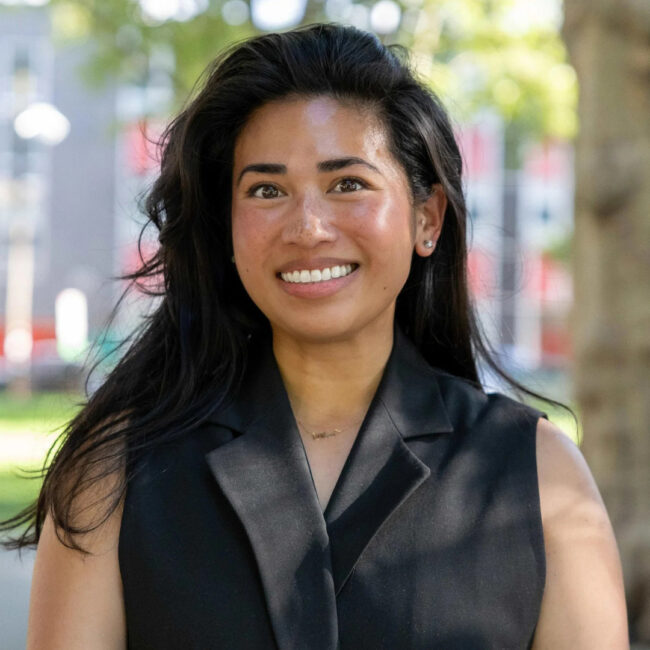
The Hoboken Girl: Council must often work with a Mayor they may disagree with. If you don’t align with the Mayor on a major issue, how will you engage, negotiate, or push back constructively? Do you have examples of how you have done so in the past at work or in political settings, if applicable?
Caitlin Layson: As a former special education teacher in Hoboken public schools, I learned early on that progress often depends on how well you collaborate with people who see things differently. In education, the needs and opportunities of students come first, and that sometimes means working through differences with administrators, colleagues, and even parents who have competing priorities. When disagreements arose, I had to listen closely, identify where we shared common ground, and keep advocating for my students until we reached solutions. That same approach applies to City Council. If I disagree with the Mayor on a major issue, I will not let that disagreement become a roadblock. Instead, I will focus on what we both care about: Hoboken residents, and use that as the foundation to find solutions. At the same time, I am not afraid to push back respectfully when necessary. For example, as a special education teacher I often had to fight for students to receive the services and support they were legally entitled to, even when it was unpopular or inconvenient for the system. Those experiences taught me to be firm but collaborative, persistent but respectful, which is exactly the balance required when serving on City Council.
HG: Hudson County politics has long faced concerns about pay-to-play and insider influence. What specific reforms will you champion (e.g. contracting rules, campaign finance limits, independent oversight, stronger OPRA compliance)?
CL: Hudson County’s history with pay-to-play and insider influence has eroded public trust, and rebuilding that trust must be a priority. On City Council, I would champion reforms that make government more transparent, accountable, and resistant to backroom politics. That means strengthening our pay-to-play laws to ensure city contracts are awarded based on merit, not political connections; expanding campaign finance limits to reduce the outsized role of large donors; and creating independent oversight structures so compliance is not left solely in the hands of those with a stake in the outcome.
I also support stronger OPRA compliance, because residents deserve timely and complete access to public records without unnecessary hurdles. As someone who worked as a public school teacher, I know that accountability is built day by day, through openness and consistency. The reforms I’ll push for are aimed at one goal: building a culture of fairness and transparency where decisions are made in the open, not behind closed doors.
HG: How will you balance competing priorities for the city while working without increasing costs for residents?
CL: Balancing competing priorities without increasing costs for residents requires focus and resourcefulness. As a special education teacher, I often managed a full caseload of students with individualized learning plans, each requiring different levels of support. With limited time and resources, I had to ensure every student received what they needed without shortchanging others. That experience taught me how to prioritize, adapt, and maximize available resources, the same skills I will bring to Council to ensure city services meet residents’ needs without raising costs. On the City Council, I would apply that same mindset by focusing on initiatives that deliver the greatest benefit to the most residents, pursuing outside funding from city, county, state, and federal sources, and ensuring efficiency in all city operations. My commitment is to advance Hoboken’s priorities responsibly, so residents see tangible results without being burdened by higher costs.
HG: Many residents complain about the high cost of housing in Hoboken, some even claim they have been priced out. What is your opinion and what methods, if any, would you support to address the situation?
CL: The high cost of housing in Hoboken is a real and pressing concern. Many residents, especially families, seniors, and long-term community members, feel priced out of the city they call home. In Hoboken, students come from a wide range of socioeconomic backgrounds, and many families face significant housing pressures. I taught students whose parents worked multiple jobs or long hours just to afford rent, while others from lower-income households had to make difficult trade-offs between housing, childcare, and other basic needs. As a renter in Hoboken myself, I experience these challenges firsthand—the stress of rising rents, limited options, and the uncertainty of finding a stable home. This personal experience deepens my understanding of what residents face daily and fuels my commitment to ensuring housing remains accessible for all. Housing instability in all of these cases affected students’ attendance, focus, and overall academic progress, highlighting how the high cost of housing impacts family stability and children’s educational outcomes across socioeconomic lines. To address this, I support a multi-pronged approach that balances development with affordability. This includes incentivizing the creation and preservation of affordable housing, protecting tenants through stronger rent regulations and just-cause eviction policies, and exploring creative partnerships with non-profits and developers to increase housing options without overwhelming the market. I also believe in ensuring new development includes units that are accessible to middle- and lower-income residents, so Hoboken remains a city where people at all stages of life can live and thrive.
HG: Hoboken’s flooding issues are well-known and the City has made efforts to mitigate the impact through the flood gates, resiliency parks, and other projects. What else would you do to address this problem?
CL: Hoboken has taken important steps to address flooding with projects like resiliency parks and flood gates, but there is still more we can do to make sure residents are prepared and protected. I support expanding communication during emergencies so that all residents, from schools to small businesses, get timely, accurate updates when flooding or water main breaks occur. I also back the idea of creating clear action plans that help families know exactly what to do in an emergency, and building partnerships with local businesses and nonprofits so resources like clean water can be distributed quickly when needed. Finally, I believe we must stay focused on completing the Rebuild by Design project to make sure Hoboken is ready for future storms and the challenges of climate change.
HG: Residents complain about traffic congestion and general disruption as a result of constant construction. How would you respond?
CL: I know how disruptive constant construction has been for residents, and I support improving both coordination and communication to ease the burden. We need real-time updates, maps, and clear timelines so people know what to expect and can plan around road closures. The City should also limit how many private projects can close streets at the same time as major public works. And by coordinating better with the County and platforms like Google Maps and Waze, we can make sure information is accurate and consistent. These steps will help reduce unnecessary disruption while ensuring Hoboken keeps moving forward with critical infrastructure improvements.
HG: Where do you stand on the growth of chain retailers? What tools, if any, would you consider to support local businesses and maintain Hoboken’s small-town feel?
CL: I believe Hoboken’s local businesses are the heart of our community, and we must protect the city’s unique character. While chain retailers can provide convenience, it’s important they don’t displace small, locally-owned shops. I strongly support efforts to help local businesses thrive, including grants, technical assistance, fair access to storefronts, and thoughtful zoning and permitting policies that manage where chains can operate. Making it easier for new businesses to open and succeed—through streamlined permitting, transparent requirements, and clear guidance—ensures entrepreneurs can navigate city processes with confidence. By balancing support for local businesses with responsible growth, Hoboken can maintain its small-town feel while also serving as a hub for innovation and opportunity.
HG: Many residents have expressed hygienic concerns with the amount of dog feces on Hoboken’s sidewalks; would you address this problem, and if so, how? And how do you feel the City of Hoboken has handled it currently?
CL: Residents’ concerns about cleanliness, particularly dog waste on sidewalks, are important and need more effective solutions. I support improving the city’s maintenance efforts, including investing in better equipment like portable power-washing units to keep commercial areas clean and inviting. While the city has made some efforts through regular street cleaning, more proactive and consistent measures are needed to ensure sidewalks remain sanitary for everyone. By combining enhanced tools with reliable maintenance, Hoboken can be cleaner, safer, and more enjoyable for residents, visitors, and local businesses alike.
HG: Many residents complain about litter and other debris on sidewalks, especially on Washington Street. How would you address this as a Council member?
CL: Litter and debris on sidewalks, especially on busy streets like Washington Street, have a real impact on residents’ quality of life. I would support a multi-pronged approach that increases the frequency of street cleaning while investing in tools and equipment, like portable power-washing units, to keep commercial areas clean. This should also include conducting an inventory of broken or damaged trash cans and receptacles to prioritize their replacement, while ensuring existing bins are regularly cleaned. In addition, public awareness campaigns and partnerships with local businesses can help encourage residents and visitors to take pride in our streets. By combining stronger maintenance with community engagement, we can keep Hoboken’s sidewalks cleaner, safer, and more welcoming for everyone.
HG: While Hoboken’s public safety director has publicly stated that crime is down, many residents report feeling unsafe and the City Council has moved to expand the police force. Do you think Hoboken has done enough to make residents feel safe? What do you suggest?
CL: While official crime statistics show a decrease, I understand that many residents still feel unsafe. I strongly support the expansion of our police force, which will allow officers to engage more deeply in community policing and build stronger relationships with residents. This approach should be paired with better support for our first responders, the expansion of the blue light system to the waterfront, and exploring additional coverage in city parks. I also back improving lighting, maintaining safe public spaces, and sharing timely crime updates so residents feel informed and secure. By combining a larger, well-supported police presence with proactive community engagement, Hoboken can ensure everyone feels safe and confident moving through the city.
HG: Many residents expressed that the city lacks accommodating infrastructure for the elderly and disabled (i.e. care facilities, benches, ramps, and handicapped parking). What, if any, initiatives would you support as a City Councilperson to make the city more senior and disability-friendly?
CL: Hoboken must ensure its streets, sidewalks, and public spaces are safe and accessible for seniors and residents with disabilities. I support a citywide program to enhance and maintain infrastructure for seniors and residents with disabilities. This would include adding and maintaining benches, ramps, and handicapped parking, regularly auditing sidewalks and public spaces for accessibility, and quickly addressing maintenance issues as they arise. By prioritizing these improvements and gathering feedback from the community, Hoboken can become a safer, more navigable, and welcoming city for all residents.
HG: What is your experience serving the residents of your Ward + advocating for your positions before becoming a candidate?
CL: Before running for City Council, I have been deeply involved in serving the residents of Hoboken and advocating for issues that matter to our community. As a former special education teacher in Hoboken public schools, I worked closely with families to address concerns ranging from educational resources and accessibility to neighborhood safety. I was actively involved in the IEP process, which is a legally binding document that outlines each student’s individualized educational plan. Advocating for students within this process required navigating complex systems, ensuring their legal rights were upheld, and collaborating with parents, colleagues, and administrators to secure the services they needed to succeed. These experiences taught me how to listen closely, advocate effectively, and build consensus—skills I am ready to bring to City Council to represent and serve all residents of Hoboken.
HG: Who is another local government official you respect + admire?
CL: I have great respect for Emily Jabbour. I admire the way she approaches leadership with transparency, collaboration, and a focus on practical solutions that serve all residents. Her commitment to improving infrastructure, supporting local businesses, and engaging the community demonstrates how thoughtful, resident-centered governance can make a real difference in people’s daily lives. I try to learn from her approach as I continue to engage with the community and advocate for policies that reflect Hoboken’s values.
HG: What is a project or a problem that you are specifically looking forward to working on if elected?
CL: If elected, I want to tackle housing stability and affordability in Hoboken. As a former public school teacher, I saw how housing instability affects students and families every day. As a renter in the city myself, I understand the stress of rising rents and limited options firsthand. I am committed to preserving affordable housing, supporting long-term residents, and ensuring families, seniors, and individuals of all incomes can continue to call Hoboken home. Addressing this challenge is essential to keeping our community strong, vibrant, and inclusive for everyone.
HG: Any other final notes/thoughts for HG readers about your candidacy, share here:
CL: I’m running for City Council because I care deeply about Hoboken and the people who call it home. Having grown up here, I understand the city’s unique character and the challenges our residents face. My experience as a public school teacher taught me the importance of listening, problem-solving, and advocating for those who need a voice. If elected, I will bring that same commitment to every decision, ensuring our neighborhoods remain safe, inclusive, and vibrant, with residents at the center of every solution.
Nicole Magana

The Hoboken Girl: Council must often work with a Mayor they may disagree with. If you don’t align with the Mayor on a major issue, how will you engage, negotiate, or push back constructively? Do you have examples of how you have done so in the past at work or in political settings, if applicable?
Nicole Magana: I’ve learned through both my corporate career and my real estate practice that disagreement is inevitable, but it doesn’t have to stop progress. If I don’t align with the Mayor on a major issue, I’ll start by listening to their perspective, finding common ground, and then advocating firmly, but respectfully, for residents’ priorities. In my real estate career, I’ve often navigated situations where buyers & sellers had conflicting goals. The key was keeping the conversation professional, and focused on shared goals. I’ve learned that persistence, transparency, and creative problem-solving can turn disagreement into compromise. I would bring that same approach to the City Council.
HG: Hudson County politics has long faced concerns about pay-to-play and insider influence. What specific reforms will you champion (e.g. contracting rules, campaign finance limits, independent oversight, stronger OPRA compliance)?
NM: Hudson County has a history of insider influence, and I think the people of Hoboken deserve stronger safeguards to protect them from these influences. I would support reforms such as:
*Stricter pay-to-play limits on city contracting
*Independent oversight for campaign finance & ethics enforcement
*Faster OPRA compliance so residents don’t have to fight for transparency
*Campaign finance disclosure improvements to make political contributions easier to track
As someone who has worked both in corporate America and in real estate, I’ve seen how trust builds confidence in the system — and without it, Everything slows down. The residents of Hoboken should feel confident that decisions are being made For Them, and Not for people with proximity to power.
HG: How will you balance competing priorities for the city while working without increasing costs for residents?
NM: Residents are already squeezed by high taxes and rents. My approach focuses on efficiency and creative funding. We find balance by carefully auditing the city budgets to cut waste, push for fair developer impact fees, pursue federal and state resiliency grants, and leverage public-private partnerships to enhance services without burdening taxpayers. I’ve seen how hidden costs can make or break a deal in real estate, and the same is true for city government. Smart planning keeps residents protected.
HG: Many residents complain about the high cost of housing in Hoboken, some even claim they have been priced out. What is your opinion and what methods, if any, would you support to address the situation?
NM: As a real estate agent, I hear every day from Hoboken families who feel priced out. I’ve watched many long-time neighbors forced to move because housing costs outpace wages. But I believe we need a balanced approach, which is why I am running with Team Russo. Michael’s policy proposals for housing really does cover all the basics; Redevelopment of the Hoboken Housing Authority, New Affordable housing developments, as well Workforce Housing, Senior Housing, and Emergency Housing. I will also work hard to preserve existing affordable housing, as well as strengthen protections for current tenants against predatory rental practices and unfair evictions. Hoboken should remain a place where people of all incomes and backgrounds can live and thrive.
HG: Hoboken’s flooding issues are well-known and the City has made efforts to mitigate the impact through the flood gates, resiliency parks, and other projects. What else would you do to address this problem?
NM: I lived here during Superstorm Sandy, and I live right by Mama Johnson Field which is heavily affected by flooding. So I’ve seen firsthand what flooding can do. The city has made progress, but we can’t stop now. I would advocate for more green infrastructure like bioswales, permeable pavement, rain gardens, and accelerate sewer upgrades to handle storms. As someone who has lived in Hoboken for nearly two decades, resiliency is not abstract, it’s personal.
HG: Residents complain about traffic congestion and general disruption as a result of constant construction. How would you respond?
NM: Constant construction frustrates all of us. I’d push for better scheduling and coordination between projects to avoid simultaneous disruptions. And ‘real time’ transparent communication to residents about closures and detours. This all comes down to improving our day to day quality of life in Hoboken.
HG: Where do you stand on the growth of chain retailers? What tools, if any, would you consider to support local businesses and maintain Hoboken’s small-town feel?
NM: I’ve worked with small business owners looking for retail space in Hoboken, and I know firsthand how hard it is to compete with chains. While some chains may add convenience, Hoboken’s small-town feel depends on local businesses. I’d support small business grants and simplified permitting, as well as zoning tools to protect commercial diversity, and marketing campaigns that highlight Hoboken’s unique businesses. Our main streets should reflect our community, and Not look like ‘anywhere USA’.
HG: Many residents have expressed hygienic concerns with the amount of dog feces on Hoboken’s sidewalks; would you address this problem, and if so, how? And how do you feel the City of Hoboken has handled it currently?
NM: I’m a dog owner myself, so I understand the problem. Current fines exist, but they’re not enough. I would push for more dog waste bag stations in high-traffic areas and keeping them FILLED, educational campaigns about community responsibility and better enforcement where problems persist, like the 4th ward. Clean sidewalks aren’t just about hygiene, it’s about respect for our neighbors and the city we all call Home!
HG: Many residents complain about litter and other debris on sidewalks, especially on Washington Street. How would you address this as a Council member?
NM: Washington Street is our front porch, and it needs attention. I’d propose expanding sanitation crew schedules, deploying more smart bins to reduce overflow and partnering with schools, nonprofits, and civic groups on “adopt-a-block” programs. I’ve served on the boards of local nonprofits, and I’ve seen how community partnerships can tackle issues the government alone struggles to solve.
HG: While Hoboken’s public safety director has publicly stated that crime is down, many residents report feeling unsafe and the City Council has moved to expand the police force. Do you think Hoboken has done enough to make residents feel safe? What do you suggest?
NM: Statistics may show crime is down, but residents’ feelings matter too. Beyond adding police officers, I’d advocate for more community policing, building trust on the block level, improved lighting in under-lit areas, and expanded youth engagement programs, tackling root causes. A safe city is one where residents both ‘Are safe, and “Feel” safe.
HG: Many residents expressed that the city lacks accommodating infrastructure for the elderly and disabled (i.e. care facilities, benches, ramps, and handicapped parking). What, if any, initiatives would you support as a City Councilperson to make the city more senior and disability-friendly?
NM: My grandparents influenced how I see community care. Hoboken needs to do more for seniors and residents with disabilities. I would definitely Bring the benches Back! Adding more benches and shaded rest stops throughout the city, as well more ramps is a must. I would also like to explore more senior-focused activities, events and trips through community partnerships. This is about making sure Hoboken works for everyone, regardless of age or ability.
HG: What is your experience serving the residents of your Ward + advocating for your positions before becoming a candidate?
NM: Before running, I served residents through my work in real estate by helping families stay in Hoboken, and navigate housing challenges. I’ve also serve on the Board of Directors (since its inception in 2019/2020) for Community Lifestyle, which is a local children’s nonprofit providing free summer camp, and after-school programs focusing on financial literacy. This past January we opened the doors at “The Center”, a brand new safe space at 301 Jackson Street where kids can come after school, and can just be kids. I’m so proud of all the work that went into making that space a reality for the kids in the 4th Ward. I’ve been active in Hoboken’s civic life for 18 years now; also serving two Board terms with the Hoboken Rotary, as well volunteering at the Hoboken Shelter, and Party With Purpose events over the years
HG: Who is another local government official you respect + admire?
NM: I admire former Mayor Dawn Zimmer. Her leadership during Hurricane Sandy and her long-term investment in flood resiliency are examples of putting residents first and planning beyond election cycles.
HG: What is a project or a problem that you are specifically looking forward to working on if elected?
NM: Housing affordability is my top priority. It connects to so many other issues like keeping long-time residents here, protecting diversity, and sustaining our schools and businesses. I’d also focus on continuing resiliency work, because Hoboken can’t afford to fall behind on flood protection.
HG: Any other final notes/thoughts for HG readers about your candidacy, share here:
NM: Hoboken is my home. I’ve lived here nearly two decades, built my career here, and want to raise the quality of life for everyone here. My background, from corporate America, to collegiate teaching, to real estate, to nonprofit work, has prepared me to be a Council member who listens, negotiates, and delivers. I’m not running to play politics, I’m running to serve the community that has given me so much.
Joe Quintero
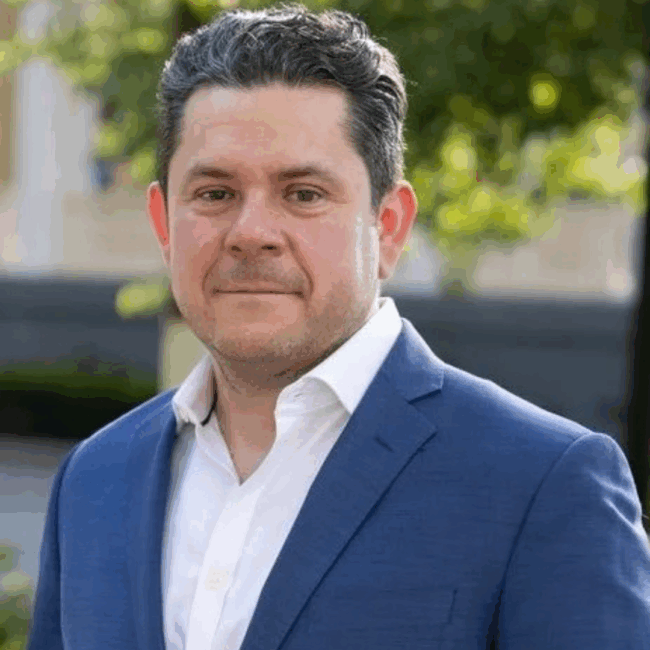
Photo Credit: Emily Curtiss
The Hoboken Girl: Council must often work with a Mayor they may disagree with. If you don’t align with the Mayor on a major issue, how will you engage, negotiate, or push back constructively? Do you have examples of how you have done so in the past at work or in political settings, if applicable?
Joe Quintero: First and foremost, I believe in getting things done for the benefit of our neighbors and friends in Hoboken. There have been a number of times in the past with the current mayor, as I expect there will be with the future mayor, where we have disagreed with either an approach to a problem or a specific goal in general. In all such cases the key to moving forward is to first seek to engage in respectful dialogue where both parties are clear on their motivations and goals. Understanding the “why” behind someone’s rationale is key to finding a path forward. In the past this has led to reasonable compromise – but where a compromise could not be reached, we’ve both agreed to disagree yet retained the respect needed to tackle the next issue.
HG: Hudson County politics has long faced concerns about pay-to-play and insider influence. What specific reforms will you champion (e.g. contracting rules, campaign finance limits, independent oversight, stronger OPRA compliance)?
JQ: Let’s put in restrictions and establish an ethics office. I’m a lawyer by training and a Compliance officer by trade. I’ve spent years learning conflict rules related to businesses engaging with government officials. To avoid conflicts governments across the United States usually take two approaches, restrictions and transparency. Today, because of NJ state law, in Hoboken we take mostly a transparency approach where we require candidates and officials to disclose who gave us campaign contributions over certain amounts. The rules related to receiving gifts or entertainment (e.g., fancy dinners) from private parties are even more relaxed. While our hands are tied with respect to setting restrictive political contribution rules (again thanks to state law), we do have the ability to establish local rules as to what our government officials and employees can receive personally from vendors and individuals seeking to do business with Hoboken. Let’s set up those rules and establish an ethics office to enforce them.
HG: How will you balance competing priorities for the city while working without increasing costs for residents?
JQ: We need to focus on creating efficiencies in government, tracking our spending, and seeking alternative revenue sources. First, by increasing the productivity of our staff and departments our government can get more done for our residents at the same costs. Currently our departments are a bit siloed which can slow response times. By breaking down those barriers and improving decision making authority, the speed at which we operate can be improved. Second, we should establish an online dashboard to track our spending – this will establish more accountability and cut down on waste, but also keep our residents informed as to how and what we are spending on (this could also help us define what we no longer want to spend on). Finally, we need to bring in more sources of revenue, whether it be by increased ratables, non-resident increases in certain fees (e.g., meter parking), or altogether new revenue such as an “empty store front” fee.
HG: Many residents complain about the high cost of housing in Hoboken, some even claim they have been priced out. What is your opinion and what methods, if any, would you support to address the situation?
JQ: This is simply a fact; folks are being priced out of Hoboken. This has happened to many friends personally. The solutions need to be on two fronts: (1) governing rent increases and (2) smart building. Locally we have rent control in buildings less than 30 years old; this restricts rent increases there to a max of 5% per year. But our tracking of such units and enforcement of those rules is not great. We need to invest more in our rent office both with personnel and technology to identify who is not complying with our rules and increase penalties for not doing so. Additionally, we need to continue to empower our tenants with the knowledge and support they need to know the rules in place to protect them and fight back when needed. I recently co-sponsored legislation banning rent algorithms in Hoboken and requiring rent disclosures for all tenants (i.e., non-rent controlled tenant) when rents increased over 10%. We need to double down on those efforts by restricting rent increases over 10% in non-rent controlled buildings (unless actual costs exceeded those) and by establishing a right to counsel in Hoboken to represent tenants in disputes. We also need to look to develop more below market rate housing, whether it be “affordable” or “workforce” housing. We can do this by increasing the amount of such units in new private development, but also by building 100% below market rate units on city-owned property when we seek to develop it (such as the Garage B project which is in the works).
HG: Hoboken’s flooding issues are well-known and the City has made efforts to mitigate the impact through the flood gates, resiliency parks, and other projects. What else would you do to address this problem?
JQ: The city has made tremendous progress with respect to flooding in recent years. So much so that we were featured in the NY Times as a climate success story. To continue to improve here we need to keep doing what we are doing with respect to developing resiliency parks, requiring flood mitigation infrastructure in new developments, and seeking more ways (e.g., permeable pavement) to absorb rainwater during heavy storms which would otherwise overwhelm our sewers. Flooding due to rain will continue to be a challenge, but we know what to do and should keep doing it. Additionally, we need to make sure that the rebuild by design “resistance efforts” (i.e., sea walls) continue with their construction as quickly as possible in the north and south ends of town. These are to protect from a storm surge coming from the Hudson River (which is what happened during Superstorm Sandy). The sooner those project are completed, the sooner we’ll be safer from a storm surge and the sooner that construction will be over!
HG: Residents complain about traffic congestion and general disruption as a result of constant construction. How would you respond?
JQ: The reduction of local businesses (mom and pops) and the rise of retail chains I think is a reflection on the increased rents some commercial landlords are seeking. I fear they are willing to hold a storefront empty with the hopes a big chain will come in and agree to their asking price. Unfortunately, here there are some limits to the power of the city. If a particular location is approved for a type of business, the city can’t come in and force the issue by saying the landlord MUST rent it to a smaller operation. One thing we CAN do, I think, is penalize a landlord who willfully keeps a storefront empty while they wait for a big payday. Warehousing rental units is already prohibited in Hoboken, we should extend this to commercial units. If a storefront has gone empty for too long, when it otherwise could have been rented, the city should consider imposing a fee on the landlord to encourage renting the unit out.
HG: Where do you stand on the growth of chain retailers? What tools, if any, would you consider to support local businesses and maintain Hoboken’s small-town feel?
JQ: The reduction of local businesses (mom and pops) and the rise of retail chains I think is a reflection on the increased rents some commercial landlords are seeking. I fear they are willing to hold a storefront empty with the hopes a big chain will come in and agree to their asking price. Unfortunately, here there are some limits to the power of the city. If a particular location is approved for a type of business, the city can’t come in and force the issue by saying the landlord MUST rent it to a smaller operation. One thing we CAN do, I think, is penalize a landlord who willfully keeps a storefront empty while they wait for a big payday. Warehousing rental units is already prohibited in Hoboken, we should extend this to commercial units. If a storefront has gone empty for too long, when it otherwise could have been rented, the city should consider imposing a fee on the landlord to encourage renting the unit out.
HG: Many residents have expressed hygienic concerns with the amount of dog feces on Hoboken’s sidewalks; would you address this problem, and if so, how? And how do you feel the City of Hoboken has handled it currently?
JQ: Trying to track down offending (and offensive) owners is administratively burdensome, and putting the responsibility on a building owner to pick up a mess they didn’t create seems unfair. My recommendation is to direct our sanitation crews (e.g., the “can men”) operated by the city and the Hoboken Business Alliance to also pick up messes left by irresponsible owners. This along with enhanced communications on our responsibility to be thoughtful residents can go a long way to keeping our sidewalks clean.
HG: Many residents complain about litter and other debris on sidewalks, especially on Washington Street. How would you address this as a Council member?
JQ: Similar to the response above, we should do a better job of having our sanitations teams help out, especially the Hoboken Business Alliance. However, we need to have our commercial neighbors on Washington step up too. It is their responsibility to keep their places clean, and when they fail our code enforcement officers should step up with warnings and penalties as needed.
HG: While Hoboken’s public safety director has publicly stated that crime is down, many residents report feeling unsafe and the City Council has moved to expand the police force. Do you think Hoboken has done enough to make residents feel safe? What do you suggest?
JQ: Violent crime and property crime are down – however, quality of life crimes (those which make you feel unsafe) have been on the rise. This year I led the efforts to increase our police force which will establish a Community Policing Bureau. This Bureau will put cops on foot patrol throughout the city. Statistics show this the BEST WAY to curtail quality of life crimes as our officers will act as both a deterrent and a preventative measure. I look forward to this team coming on line in the next year.
HG: Many residents expressed that the city lacks accommodating infrastructure for the elderly and disabled (i.e. care facilities, benches, ramps, and handicapped parking). What, if any, initiatives would you support as a City Councilperson to make the city more senior and disability-friendly?
JQ: We need to do two things – step up our ADA compliance throughout the city and improve our transportation options for all. All of our city properties need to be brought up to full ADA compliance immediately. Additionally, we need to promote and enforce increased ADA compliance across our businesses as well. With respect to transportation, we need to step up our city transportation options – namely improve the HOP. We need more routes and simplified routes across Hoboken, and all Hoboken shuttles need to facilitate use by individuals with mobility issues.
HG: What is your experience serving the residents of your Ward + advocating for your positions before becoming a candidate?
JQ: I’ve had the honor of serving on the City Council as an at large councilmember for the past four years. In that time I’ve improved communications between public safety teams and residents, increase the number of cops on the beat, fully staffed our fire trucks, improved overall pedestrian safety, instituted tenant protections, and more. I look forward to continuing on my efforts to make sure Hoboken is a place we can all thrive. Before serving on the Council I was an executive committee member of the Hoboken Democratic Party (which I chair today). In this capacity, I lead numerous efforts to promote democratic candidates, voter registration drives, and general promotion of progressive values in the city.
HG: Who is another local government official you respect + admire?
JQ: I’ll name two (but there are more) – first my running mate Emily Jabbour. Her dedication to constituent services is inspiring (and exhausting… I can’t keep up!). I have never met anyone with a stronger work ethic and capacity and willingness to engage on any issue than her. She will make an outstanding mayor, which is why I am so proud to run with her. Second, is my friend and colleague Jim Doyle. Jim has been my mentor on the council for the past four years. I’ve learned so much from him that I will be eternally grateful. I’m sad to see him go, though I suspect he’ll be happy to still serve on the planning board.
HG: What is a project or a problem that you are specifically looking forward to working on if elected?
JQ: The establishment of the Community Policing Bureau. Keeping Hoboken safe is paramount to everything we do. If our residents don’t feel safe on the street or in their homes, nothing else will work.
HG: Any other final notes/thoughts for HG readers about your candidacy, share here:
JQ: Vote Emily Jabbour for Mayor (3G)… and Joe Quintero (1H), Caitlin Layson (2H), and Steve Firestone (3) for council-at-large!
See More: Montclair Public Library Announces Winners of 2025 Library Card Design Contest
Liz Urtecho
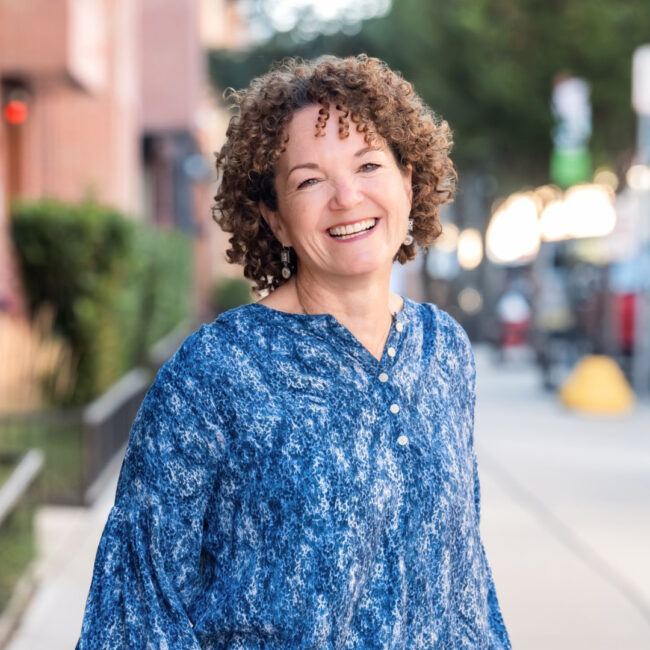
The Hoboken Girl: Council must often work with a Mayor they may disagree with. If you don’t align with the Mayor on a major issue, how will you engage, negotiate, or push back constructively? Do you have examples of how you have done so in the past at work or in political settings, if applicable?
Liz Urtecho: I believe productive government depends on both collaboration and independence. If I don’t align with the Mayor on a major issue, my approach is to engage directly, listen carefully, and look for areas of common ground. When compromise is possible without sacrificing residents’ interests, I will work toward solutions that move the city forward. But if I believe a proposal is not in the best interest of Hoboken, I will not hesitate to push back—openly, respectfully, and with transparency—so that residents understand where I stand and why.
In practice, I have rallied residents to attend City Council meetings, made public comments, and engaged stakeholders directly on issues important to our city. I also send newsletters to the community highlighting key agenda items so residents are informed and can make their voices heard. Ultimately, my guiding principle is simple: whether I align with the Mayor or challenge them, my goal is always to ensure Hoboken’s government operates with transparency, integrity, and a residents-first approach.
HG: Hudson County politics has long faced concerns about pay-to-play and insider influence. What specific reforms will you champion (e.g. contracting rules, campaign finance limits, independent oversight, stronger OPRA compliance)?
LU: I believe Hoboken residents deserve a government that is free from undue influence and fully accountable to the people it serves. That starts with stronger campaign finance laws and OPRA reform that increases transparency, not reduces it. I would support reforms that tighten campaign finance rules to close loopholes and limit contributions from developers, contractors, and PACs with business before the city. I also support strengthening contracting rules so awards are based on merit and public need, not political connections; and improving OPRA compliance by removing barriers that slow down public records requests and supporting legislation that adds transparency rather than less. My guiding principle is simple: residents should never have to question whether decisions are being made for political gain or for the benefit of our community.
HG: How will you balance competing priorities for the city while working without increasing costs for residents?
LU: Balancing competing priorities requires transparency, discipline, and a clear focus on what matters most to residents. First, we need greater transparency around the city’s financials, including long-term forecasting, so the public understands how increased expenditures affect the bottom line. With that foundation, we can have honest conversations about trade-offs and ensure residents’ voices are part of the decision-making process. My approach is to prioritize the “must-haves” like public safety, infrastructure, and quality of life, before funding “nice-to-haves” such as nonessential projects. At the same time, we need to carefully evaluate city operations to identify areas where expenses can be managed more efficiently. By aligning spending with core needs, streamlining operations, and scrutinizing new initiatives against our financial realities, we can manage resources responsibly without increasing costs for residents.
HG: Many residents complain about the high cost of housing in Hoboken, some even claim they have been priced out. What is your opinion and what methods, if any, would you support to address the situation?
LU: The high cost of housing is one of the greatest challenges facing Hoboken, and too many residents feel priced out of their own community. To address this, I support tightening and streamlining rent control laws so tenants are protected and the process is clear and consistent. I also believe we must expand affordable and workforce housing requirements in new development, ensuring that growth benefits residents across income levels and not just luxury buyers. At the same time, managing city finances responsibly to keep the tax levy down is critical—because housing affordability is not just about rent or mortgages, but also about property taxes. My priority is to make sure Hoboken remains a place where families, seniors, and young professionals alike can afford to stay and build their lives.
HG: Hoboken’s flooding issues are well-known and the City has made efforts to mitigate the impact through the flood gates, resiliency parks, and other projects. What else would you do to address this problem?
LU: Hoboken has taken important steps to address flooding through resiliency parks, flood gates, and infrastructure upgrades, but more needs to be done. I believe we must continue to prioritize the most vulnerable areas of the city and ensure resources are directed where the risk is highest. Use technology to better forecast potential flooding issues. Just as important, we need to enhance communication with residents so they receive timely, proactive updates and guidance instead of reactive alerts when the damage is already done. By combining smart planning, technology, and stronger community engagement, we can build a more resilient Hoboken that protects residents, property, and quality of life.
HG: Residents complain about traffic congestion and general disruption as a result of constant construction. How would you respond?
LU: Unfortunately, Hoboken is constantly under construction, and while infrastructure investment is necessary, the way it’s managed often creates unnecessary disruption. My approach would be to take a residents-first view of how projects are scheduled and coordinated. That means having a holistic understanding of all city and utility projects, prioritizing those that address the biggest pain points, and sequencing work in a way that minimizes overlapping closures. For example, rather than closing two major cross-town streets at the same time, the city should coordinate timelines to keep traffic moving. Just as importantly, we need clear and proactive communication with residents—so people know what to expect and can plan around closures, instead of being surprised by detours. By managing projects with foresight and transparency, we can reduce congestion, limit frustration, and still deliver the improvements our city needs.
HG: Where do you stand on the growth of chain retailers? What tools, if any, would you consider to support local businesses and maintain Hoboken’s small-town feel?
LU: Small businesses are the backbone and the charm of Hoboken, and preserving that character is critical to maintaining our small-town feel. The recent growth of chain retailers is largely a result of high commercial rents and zoning red tape that only larger companies can absorb. While I believe there is room for a balance of both chains retailers and small businesses, we need to focus on local entrepreneurs’ challenges. That means reviewing zoning laws to see where we can streamline approvals, accelerate the opening process, and decrease the expense for small business owners. I would partner with the HBA to explore incentives, partnerships, and city programs that help independent businesses thrive and stay competitive. Ultimately, Hoboken’s identity has always been shaped by its unique, locally owned shops and restaurants, and we need policies that continue that tradition.
HG: Many residents have expressed hygienic concerns with the amount of dog feces on Hoboken’s sidewalks; would you address this problem, and if so, how? And how do you feel the City of Hoboken has handled it currently?
LU: Pet waste is a serious quality-of-life issue, and Hoboken needs a stronger, more consistent approach. My plan is to enforce cleanup laws, install additional bag dispensers across the city, and partner with property owners to keep high-traffic areas clean. I would also look at how other cities address this challenge and bring best practices to Hoboken—for example, updating the reporting system so residents can flag problem spots and repeat offenders. Right now, the city’s response has been inconsistent.
HG: Many residents complain about litter and other debris on sidewalks, especially on Washington Street. How would you address this as a Council member?
LU: Clean sidewalks are a basic quality-of-life issue. As a Council member, I would push for stronger enforcement of sanitation rules, more frequent litter pickup on high-traffic corridors like Washington Street, and additional trash and recycling receptacles in busy areas. I would also partner with property owners, businesses, and the Hoboken Business Alliance to ensure sidewalks are properly maintained, while expanding opportunities for community clean-up days. Keeping our streets clean isn’t complicated—it just needs to be a priority.
HG: While Hoboken’s public safety director has publicly stated that crime is down, many residents report feeling unsafe and the City Council has moved to expand the police force. Do you think Hoboken has done enough to make residents feel safe? What do you suggest?
LU: Even if crime statistics show improvement, many residents still feel unsafe—and that disconnect is real. Public safety isn’t just about numbers; it’s about seeing officers in our neighborhoods, knowing they are accessible, and trusting they will respond quickly. That’s why Hoboken needs to return to true community policing, with officers consistently visible and building relationships. We also need to think outside the box—looking at best practices from other cities to find ways to do more with the resources we already have, instead of relying solely on adding headcount that can take years to hire and train.
HG: Many residents expressed that the city lacks accommodating infrastructure for the elderly and disabled (i.e. care facilities, benches, ramps, and handicapped parking). What, if any, initiatives would you support as a City Councilperson to make the city more senior and disability-friendly?
LU: Right now, Hoboken falls short in meeting the needs of seniors and residents with disabilities, and we need a stronger, more intentional approach. I currently teach a senior fitness class and hear many of these concerns first-hand from the community, so I know how critical they are. The recent removal of benches along Washington Street was disruptive and highlighted a lack of transparency with the community. Residents were not informed ahead of time, and it took public pressure to raise awareness of this basic quality-of-life issue. As a councilmember, I will push to evaluate our citywide seating plan with the goal of increasing foot traffic and creating natural resting points throughout Hoboken. My commitment is to ensure our city is one where seniors and residents with disabilities can navigate safely and comfortably.
HG: What is your experience serving the residents of your Ward + advocating for your positions before becoming a candidate?
LU: Two years ago, I ran in the 5th Ward election because I believed our community deserves leaders who put residents first. Since then, I’ve continued to stay deeply engaged. My neighbors often reach out to me directly — whether about road closures, development projects, or larger policy issues — because they trust me to respond and get them the answers they are looking for. That experience has only strengthened my resolve to advocate for my neighbors and run for the citywide council position.
HG: Who is another local government official you respect + admire?
LU: The late Councilwoman Jen Giattino – she was always my go-to person who could provide political advice and clearly see a path forward on any issue. I miss her dearly.
HG: What is a project or a problem that you are specifically looking forward to working on if elected?
LU: One of the issues I’m most looking forward to working on is supporting our senior community. Hoboken hasn’t done enough to meet the needs of older residents, and I hear this firsthand from the seniors I work with in my fitness class. From affordable and accessible housing, to benches along Washington Street, to expanded recreation and social programs — these are quality-of-life issues that matter to our aging population. If elected, I’ll push for a more intentional, city-wide approach to senior services so that our older residents can feel supported, valued, and able to fully enjoy life in Hoboken.
HG: Any other final notes/thoughts for HG readers about your candidacy, share here:
LU: I’m running because Hoboken is at a pivotal moment for change. With new leadership ahead, we have the opportunity to build a government rooted in transparency, integrity, and a residents-first approach. I believe in Hoboken’s potential, and I’m ready to bring the energy, honesty, and determination needed to move our community forward.
Follow @thehobokengirl on Instagram + TikTok for the latest Hoboken and Jersey City updates, sign up for our weekly newsletter here that shares everything you missed each week, and check out our events calendar, which has over 100+ events weekly to peruse.